

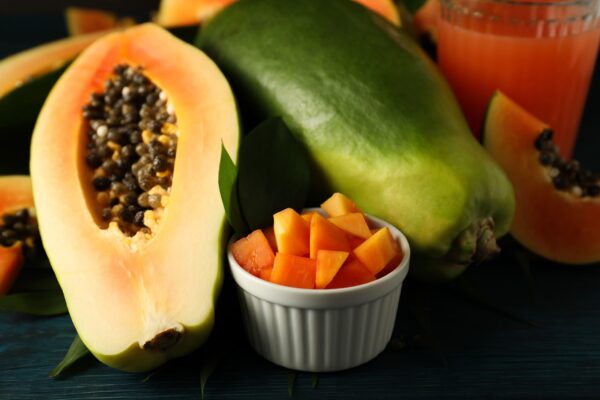
If Miami had a mascot fruit, it could well be papaya. Bright, juicy, and sweet, it seems to embody the city’s mood. Eternal summer, bright colors, a touch of tropical boldness, and a hint of exoticism. Those who have lived here for a long time know that to get a taste of this city, all you have to do is cut open a ripe papaya and breathe in its aroma. And if you’ve just arrived and are wondering what papaya tastes like, get ready. It will be a revelation.
Read also: Soft2Bet and the Global Digital Entertainment Landscape
Why is Papaya so popular in Miami?
Papaya is native to Mexico and South America. Its journey to Miami was almost predictable, because everything that loves the sun and humid air sooner or later ends up in Florida. Here it found its ideal home: a subtropical climate, a gentle breeze from the ocean, and endless fruit markets where every season turns into a celebration of flavors.
Today, papaya grows in many corners of Miami, from backyards in Homestead to small shops in Little Havana. It has long been part of the local landscape, like palm trees, pelicans, and street musicians on Ocean Drive. Yet many still pass it by, not knowing how to choose a good fruit or how to eat it properly.
What does papaya taste like?
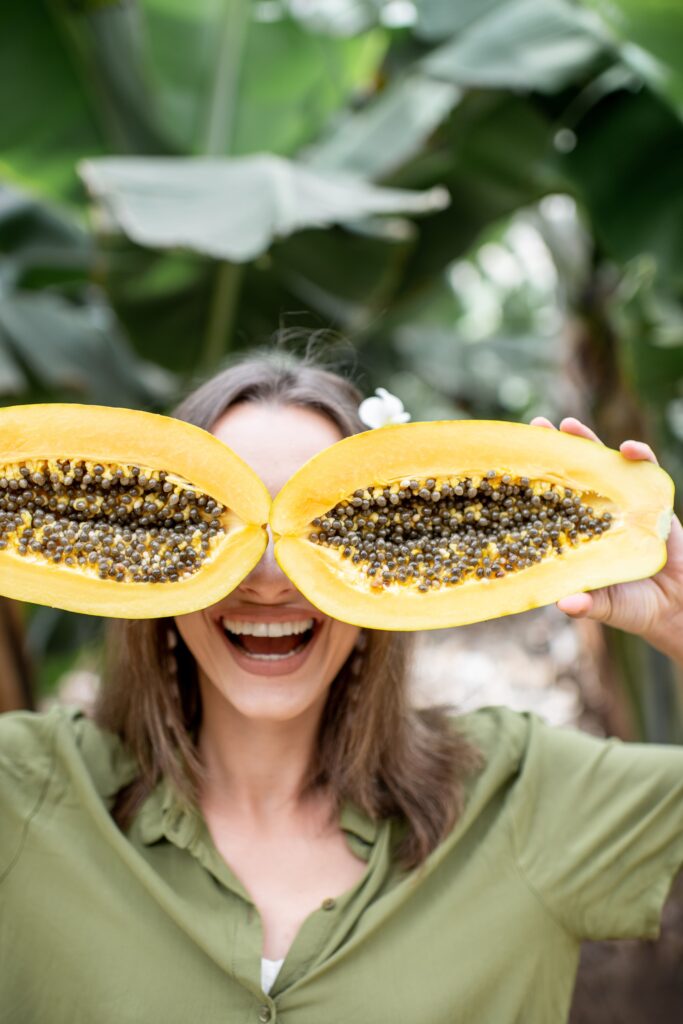
The most common question tourists ask at local fruit shops is simple: what does papaya taste like? The answer is not so simple. Imagine a melon, but with a milder sweetness and creamy texture. Add a hint of earthiness, a touch of tropical accent, and the light scent of summer after rain. That’s roughly what ripe papaya tastes like.
Unripe papaya, on the other hand, behaves differently. It can be cooked like a vegetable: stewed, baked, or even fried, almost like a sweet potato. In Miami, it is served with lime and a pinch of salt to enhance the flavor and add freshness.
By the way, many people forget that both the flesh and the seeds are edible. They are spicy, reminiscent of black pepper, and are sometimes used as a spice in curries. The main thing is to try a little, otherwise your mouth will burn as badly as after Mexican chili sauce.
How to choose and eat papaya
Papaya is a capricious fruit. To understand whether it is ripe, you need to look at the color. If the skin is golden or slightly orange, then it’s time to buy it. Green means that the fruit is still waiting for its moment.
How to choose a good papaya:
- Look for fruits with soft, slightly pliable skin.
- Avoid those with cracks or dark spots.
- Ripe papaya smells sweet and slightly spicy, even through the skin.
- Green papaya is suitable for cooking, it can be baked or stewed.
Before eating, simply cut the papaya lengthwise, remove the seeds with a spoon, and cut into slices. Locals recommend squeezing a little lime juice on top, which brightens the flavor and neutralizes the aroma.
Ways to serve papaya:
- Fresh slices for breakfast or in a salad.
- Smoothies with pineapple and mint.
- Warm desserts with honey and lime.
- As a topping for pancakes and tropical bowls.
In Miami, you can find papaya in any form: in morning bowls on South Beach, in refreshing juices in Wynwood, and in desserts at street cafes in Little Haiti.
Where to try the best papaya in Miami
Of course, you can find papaya in any supermarket, but true connoisseurs recommend going to Robert is Here, a legendary fruit shop in Homestead, where the assortment is a paradise for lovers of exotic fruits. Here, the papayas are always fresh, and the smell of ripe fruit can be smelled even in the parking lot.
If you want something more urban, visit the local markets in Coconut Grove or Pinecrest. There, farmers often sell homemade papayas, which are slightly smaller in size but have a taste that makes you forget everything else.
Interesting facts about papaya
Papaya is a very tasty fruit, but that’s not its only benefit. Scientists refer to it as a superfood due to its high vitamin C content and the enzyme papain, which aids digestion and reduces inflammation. Its leaves are used in folk medicine, and in some countries even as a natural contraceptive.
Interesting facts about papaya:
- A plant can be male, female, or hermaphroditic, and often pollinates itself.
- Enzyme papain is used in cosmetics and skin care products.
- Unripe papaya can be cooked as a vegetable; it tastes similar to pumpkin.
- In tropical countries, the seeds are used to make a spice with a pungent flavor.
- The papaya tree grows very quickly and bears fruit within a year.
In Miami, gardeners love this plant for its ease of care and sunny disposition. It seems to have been created for the local climate and fills every yard with a sense of summer.
The taste of Miami in one bite

When the sun reflects off the ocean and the air is filled with the scent of mango and lime, papaya seems like a natural extension of this city. The taste of papaya is Miami on the tongue: slightly sweet, slightly spicy, with a hint of pepper and freedom.
So if you’re still wondering what papaya tastes like, try it here, under the southern sky. Cut it into slices, add lime, smile at the sun, and feel how one fruit can tell the whole story of the city, from its Mexican roots to the stalls on Ocean Drive.
In Miami, every flavor has its own story, but papaya is a special chapter. It reminds us that life here is always about summer, freshness, and the joy of enjoying simple things.