

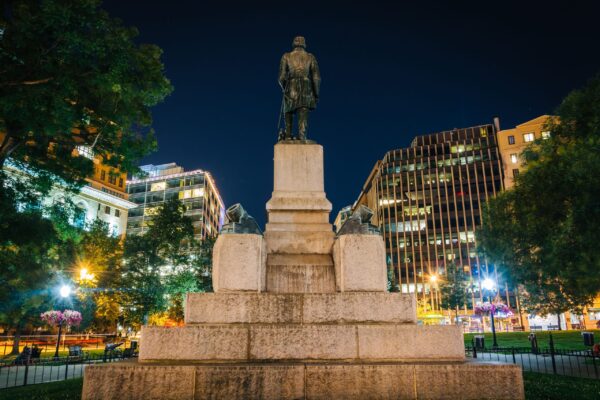
The history of Confederate monuments in Florida remains a topic of debate. Monuments erected decades ago in various cities across the state are viewed differently today than they were when they were first erected. For some, they are part of the historical heritage; for others, they are symbols of a complex period in American history linked to racial inequality and civil strife.
In many counties and municipalities, authorities are re-evaluating their stance on such sites. Some monuments are being moved to museums, others are being dismantled, whilst some remain in their original locations. The controversy surrounding these monuments has moved beyond local debates and become part of a wider conversation about memory, culture and social values.
How Confederate monuments came to be in Florida
Most of the monuments were erected decades after the end of the American Civil War. They were installed in the late 19th and early 20th centuries. Many were funded by civic organisations and local associations seeking to preserve the memory of Southerners who had fought in the war.
In Florida, such monuments were erected near government buildings, courthouses, parks and central squares. The monuments became part of the urban landscape and were perceived as a familiar feature of the architecture.
Historians have repeatedly noted that many monuments were created during periods of social change, when issues of civil rights were the subject of particularly heated debate in society. Consequently, contemporary debates concern the very history and context of the emergence of these monuments.
Why attitudes towards monuments have changed
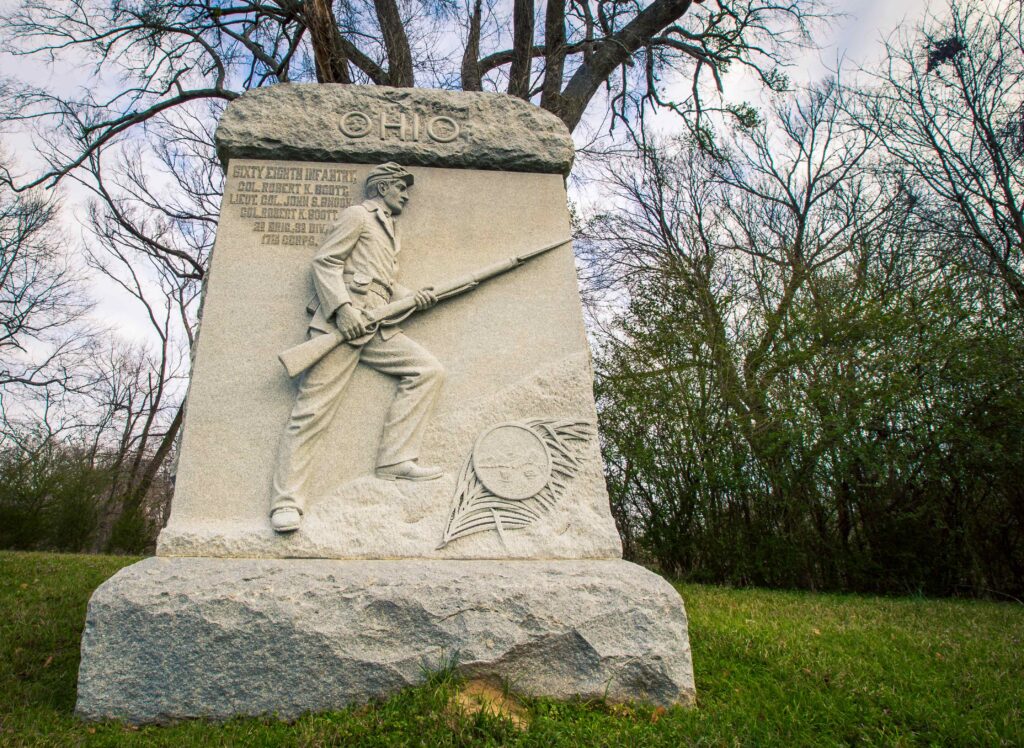
For many years, monuments rarely sparked any significant debate. However, the situation began to change following the rise of social movements focused on racial discrimination and the re-evaluation of historical legacies.
Today, many Floridians believe that such structures can be perceived as symbols of social division. This is particularly true of monuments located in public spaces near government buildings.
There is also an opposing viewpoint. Some residents oppose the removal of monuments, believing that the removal of historical sites could lead to a distortion of the past. In their view, monuments are part of the country’s history regardless of contemporary assessments. The clash of these views has sparked numerous debates across the state.
Which cities in Florida have already removed monuments
In recent years, several cities have decided to remove Confederate monuments from public spaces. In some cases, the monuments have been moved to museums or private historical sites. Such discussions have been particularly active following the public protests that swept through many American cities.
Local authorities began holding votes, organising public hearings and examining the legal aspects of removal. In some cases, decisions were made fairly quickly. In others, disputes dragged on for years. The reasons ranged from political disagreements to funding issues surrounding the relocation of the monuments. Some cities also faced legal challenges from organisations campaigning to preserve the monuments.
Why some monuments remain in place
Despite the wave of removals, many Confederate monuments remain in public spaces across Florida. There are various reasons for this. Local authorities fear public conflict and prefer not to take drastic measures. In other cases, removal is costly because large monuments are difficult to move without specialised equipment and restoration work.
There are also legal complications. In some counties, regulations restrict the ability to relocate historical objects. Some monuments are situated on land owned not by local authorities but by private organisations. Another factor is public opinion. In some towns, residents support the preservation of monuments as historical objects, even if they acknowledge the controversial nature of their symbolism.
Historical Memory and Contemporary Society
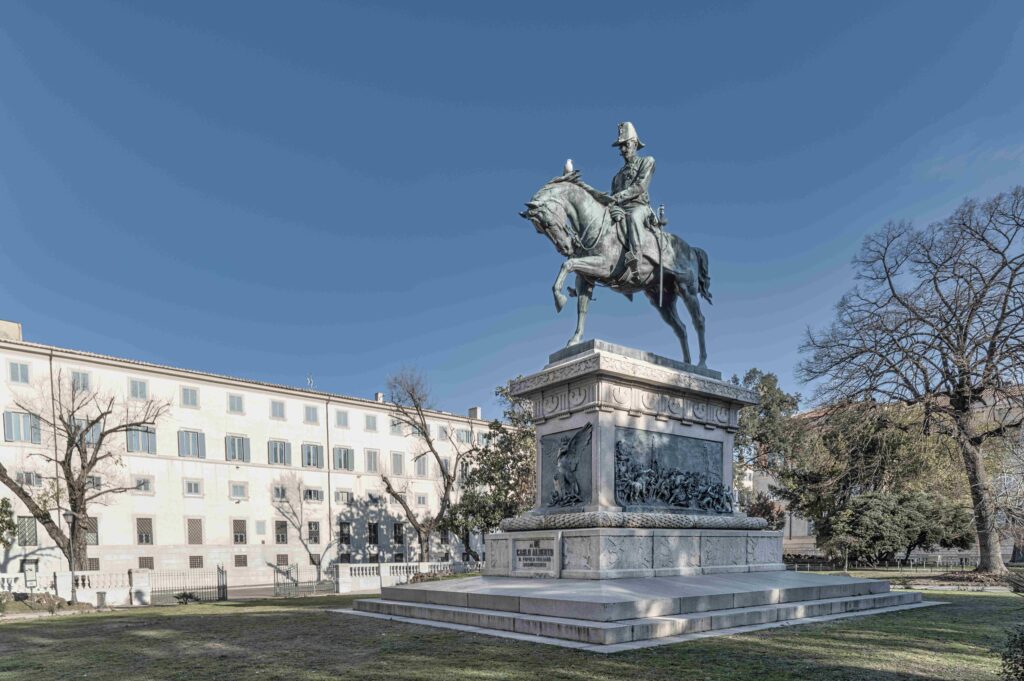
The debates surrounding Confederate monuments highlight just how differently society can perceive the past. In Florida, this issue is particularly prominent due to the large number of such monuments. Some monuments have stood for over a century and have long been part of the familiar urban landscape. Contemporary social changes are forcing a re-evaluation of their significance.
Historians note that such debates are not confined to the US. In many countries, discussions are taking place regarding monuments associated with controversial historical periods. This shows that attitudes towards historical symbols can change along with society.
How the approach to preserving history is changing
Today, many cities are seeking compromise solutions. Instead of completely demolishing monuments, some local authorities are choosing to relocate them to museums or special historic zones.
This helps to preserve the monument itself as a historical artefact, whilst removing it from the central public space. In museums, monuments are given additional context: historical materials, documents and explanations of the period in which they were erected are displayed alongside them. Some cities are beginning to create new memorials dedicated to civil activists, public figures and events that were previously overlooked.
Why the issue of monuments remains relevant
The debate surrounding Confederate monuments has been ongoing for several years. The reason is that the issue goes beyond architecture or the urban environment. For many people, it is about collective memory, identity and the understanding of history. That is why even a small monument can become the focus of a wide-ranging public debate.
In Florida, this issue remains relevant due to the large number of monuments and the differences in views between individual counties and cities. Some local authorities advocate for change, whilst others prefer to maintain the status quo. The nature of the debate itself is gradually changing. Whereas disputes used to be limited to political statements, there is now increasing discussion of educational projects, museums and ways of interpreting past events historically.