

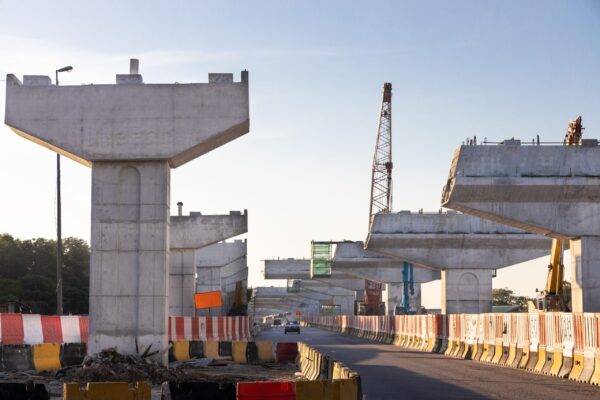
The construction of the I-95 motorway was one of Miami’s most significant infrastructure projects, yet for the Overtown neighbourhood, it had serious social and urban consequences.
Overtown was long considered one of Miami’s key cultural hubs. In the first half of the 20th century, the neighbourhood was known as a hub of vibrant community life, where the local economy and cultural scene thrived.
Businesses flourished here, alongside theatres, clubs and shops. The neighbourhood served as a fully-fledged urban centre for the local community. But over time, its character changed, and one of the main reasons for this was the construction of a major transport artery.
The Construction of I-95: A Turning Point
During the 1950s and 1960s, the US motorway network was expanding rapidly, including in Miami. The I-95 project was seen as a necessary step towards improving the city’s transport links. However, the choice of route proved to be critical. The motorway ran straight through Overtown.
This decision led to far-reaching changes:
- demolition of residential buildings
- destruction of the neighbourhood’s infrastructure
- resettlement of residents
- loss of local businesses
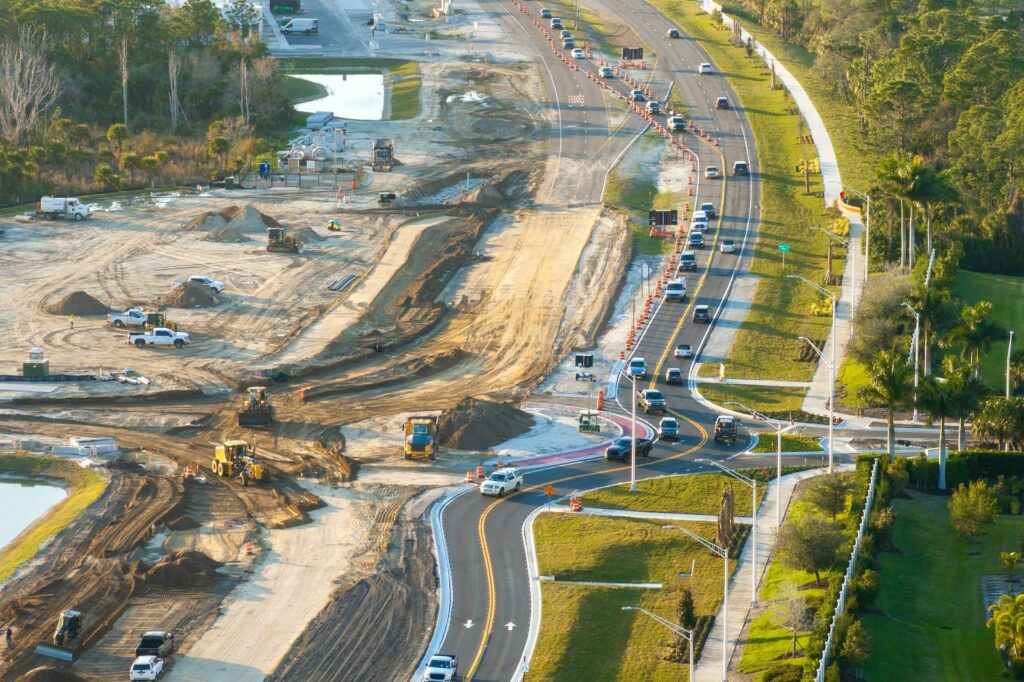
Following the project’s completion, the neighbourhood effectively lost a significant part of its fabric. These changes were irreversible and influenced the area’s subsequent development.
Social consequences
The demolition of a significant part of Overtown dealt a severe blow to the neighbourhood’s social fabric. During the construction of the motorway, hundreds of homes were demolished, and thousands of residents were forced to leave their familiar surroundings. The relocation took place rapidly, with no opportunity to maintain their previous standard of living. This intensified feelings of instability and loss.
Before the arrival of the I-95, Overtown was a close-knit community where social ties had been forged over many years. People knew one another, interacted in daily life, and supported local initiatives. After part of the neighbourhood was demolished, these ties were severed. The relocation of residents to different parts of the city led to the loss of their familiar social environment and a weakening of internal support within the community.
The division of the neighbourhood by the motorway exacerbated the situation. An area that had previously been perceived as a single space was physically severed. This made getting around more difficult, reduced the number of places for interaction, and lowered the level of social activity. The neighbourhood lost its integrity both geographically and in terms of everyday life.
The decline in local businesses also had a direct impact on social dynamics. Shops, cafés and other gathering places played an important role in shaping the social environment. Their disappearance led to a reduction in the number of places where people could meet and maintain connections.
Economic Impact
Prior to the construction of I-95, Overtown’s economy was geared towards the community’s internal needs. The neighbourhood was home to shops, restaurants, service providers and other businesses that provided employment and fostered a stable economic environment. Customer footfall was generated by local residents and visitors.
After the motorway was built, the economic situation began to deteriorate gradually. The demolition of buildings led to the disappearance of a significant number of businesses. Those businesses that remained faced a shrinking customer base. People who had left the area no longer used their services, and new streams of visitors did not compensate for the losses.
The physical division of the area played an additional role. The motorway altered travel routes, and many streets lost their former accessibility. This had a direct impact on the revenues of local businesses. The area ceased to be a convenient place to do business. This led to a change in the entire economic structure of the area. Overtown lost its status as a vibrant business hub and became less attractive to new investment.
The Modern Significance of Overtown
The history of Overtown shows that urban development does not always come without consequences. The construction of the I-95 motorway transformed the neighbourhood on many levels: from the physical landscape to the social fabric.
Today, this example helps us better understand how infrastructure affects people’s lives. It highlights the need for a more balanced approach to urban planning. Maintaining a balance between development and the interests of the community remains one of the key challenges facing modern cities.