

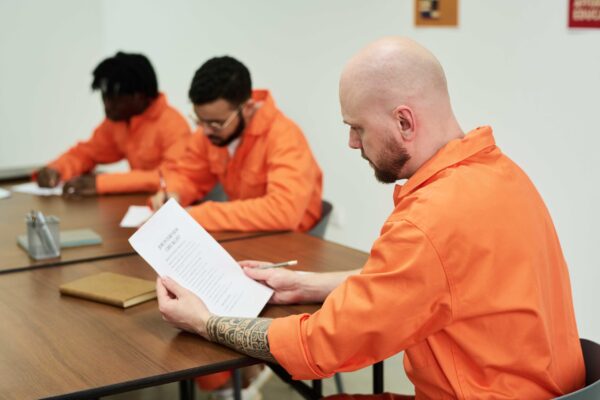
Prison labour in Florida is one of the most hotly debated topics because it combines elements of employment, control and social policy, affecting thousands of people within the system.
The prison labour system in Florida has evolved over decades and is now an integral part of how correctional facilities operate. Prisoners’ labour is used to carry out a wide range of tasks: from maintaining the facilities themselves to participating in projects related to public needs.
Such a model may be perceived as a means of providing employment and discipline. But on closer inspection, it becomes clear that this is a complex structure where issues of economics, law and social justice intersect.
Historical roots
The system dates back to the early 20th century. In 1923, hearings began to be held in Florida to discuss the working conditions of prisoners in labour camps. At the time, witnesses spoke of harsh conditions, long working days and cruel treatment.
Despite the abolition of slavery, an exception remained in the US Constitution allowing for forced labour as a punishment for crime. This provision became the legal basis for the continued use of prisoner labour.
Over time, the forms of work changed, but the principle itself remained. Prisoners continued to be employed in manual labour, including the construction and maintenance of infrastructure.
The scale of the system today
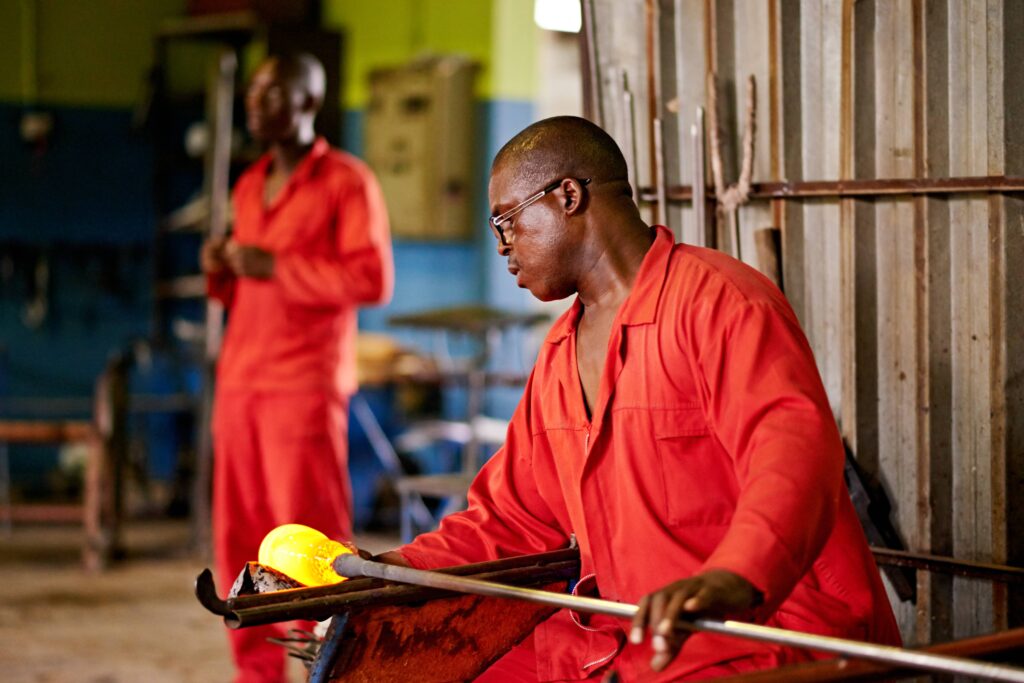
Today, the system remains one of the largest in the country. Florida holds around 80,000 prisoners in more than 120 institutions, including work camps.
Most of them are engaged in work activities. These are not separate programmes, but everyday practice, without which the system itself could not function.
Prisoners carry out a wide range of tasks. These include cleaning premises, preparing food, maintaining buildings, and participating in community service, including disaster preparedness.
Working conditions
A key feature of the system is that, in most cases, the work is not voluntary. Refusal to work can lead to disciplinary measures, including solitary confinement or restrictions on rights. Wages are either non-existent or extremely low. In some programmes, prisoners may receive between 20 and 95 cents an hour, but such cases are rare.
In reality, many carry out work for free, despite the fact that it is essential for the institutions to function. Prisoners themselves note that without their participation, prisons would not be able to operate as usual. Working conditions add to the difficulty. Work is often carried out outdoors, in hot climates, with limited access to protection and resources.
The economic aspect
Prison labour enables a significant reduction in the costs of running prisons, as a large proportion of day-to-day tasks are carried out by the prisoners themselves. This applies to internal maintenance and work that, under normal circumstances, would require the use of paid labour.
Prisoners ensure the running of kitchens, laundries, technical services and other areas without which the institutions could not operate as usual. In effect, this amounts to full operational support, carried out using the system’s internal resources.
In a broader context, prisoners’ labour is also utilised outside prisons. They are employed on public works projects, including road maintenance, site clearance and participation in emergency preparedness. This reduces the burden on the budget, as such tasks are carried out without incurring additional labour costs.

Everyday reality
The daily lives of prisoners revolve largely around work. Work becomes an integral part of their routine and takes up a significant proportion of their time. Inside prisons, prisoners are involved in cleaning premises, preparing food, doing laundry, and repairing and maintaining infrastructure. These processes are organised in such a way as to minimise the need to draw on external resources. As a result, the bulk of the day-to-day work falls on the prisoners themselves.
A significant proportion of tasks are also carried out outside the institutions. Prisoners are involved in clearing land, cleaning streets, and preparing for natural disasters, including the hurricanes that are common in the region. However, the scope for choice remains limited. The work is integrated into the system and governed by institutional rules. Refusal to carry out tasks may result in disciplinary action.